Table of Contents
Why Safety Boots/Shoes Matter
Feet are constantly exposed to risks in high‑risk work environments. Heavy materials, sharp objects, slippery surfaces, extreme temperatures, and electrical hazards can all cause severe injuries if proper footwear is not worn. Safety boots/shoes are designed to protect against these dangers while providing stability, support, and comfort throughout the workday.
Beyond protection, compliant safety footwear also helps organizations meet occupational health and safety regulations and reduces downtime caused by workplace injuries.
Identify Workplace Hazards
The first step in selecting the right safety boots/shoes is understanding the specific hazards present in your work environment. Common risks include:
Falling or rolling heavy objects
Sharp materials such as nails, metal, or glass
Slippery or oily surfaces
Electrical hazards
Extreme heat or cold
Long hours of standing or walking
Once these risks are clearly identified, it becomes easier to choose footwear with the appropriate protective features.
Key Features to Look for in Safety Boots/Shoes
Toe Protection
Safety boots/shoes should have reinforced toe caps to protect against impact and compression injuries. Common options include steel toe, composite toe, and aluminum toe caps. The choice depends on the level of protection required and weight preferences.
Slip Resistance
Slips and falls are among the most common workplace accidents. Look for safety boots/shoes with slip‑resistant soles designed to provide strong grip on wet, oily, or uneven surfaces.
Puncture Resistance
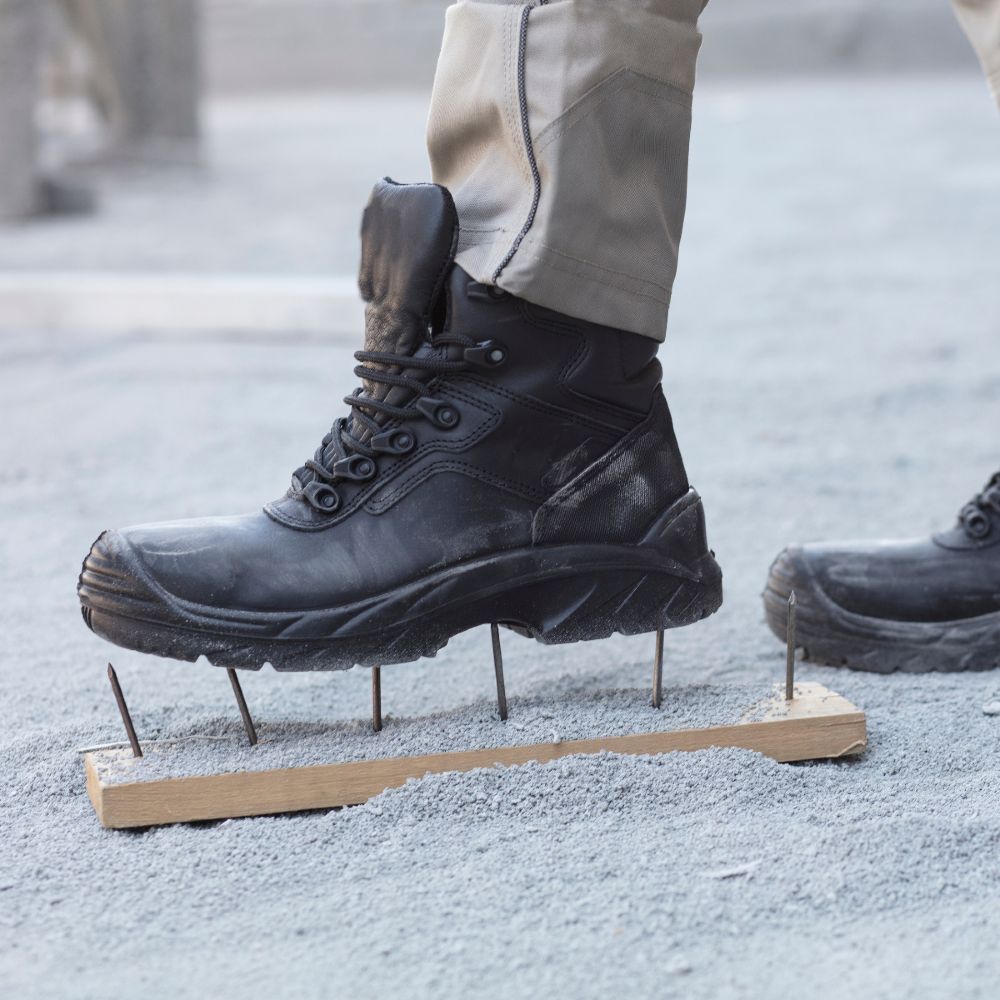
In environments with sharp objects on the ground, puncture‑resistant midsoles are essential. These prevent sharp items from penetrating the sole and injuring the foot.
Electrical Protection
For workplaces with electrical risks, select boots/shoes that offer electrical hazard protection or anti‑static properties, depending on the nature of the work.
Heat and Chemical Resistance
Certain industries require footwear that can withstand high temperatures, molten materials, or exposure to chemicals. Always match the shoe material to the working conditions.
Comfort and Fit Are Non‑Negotiable
Even the most protective safety shoe is ineffective if it is uncomfortable. Poorly fitting boots/shoes can cause blisters, fatigue, back pain, and reduced productivity. When selecting safety boots/shoes, consider:
Proper sizing and width
Adequate cushioning and arch support
Breathable materials for ventilation
Lightweight construction to reduce fatigue
Workers should be encouraged to try on safety boots/shoes and walk in them before use to ensure a proper fit.
Choose the Right Sole Material
The sole plays a major role in performance and durability. Common sole materials include rubber, polyurethane, and dual‑density soles. The right choice depends on surface conditions, exposure to chemicals, and the level of traction required.
Compliance With Safety Standards
Always ensure that safety boots/shoes meet recognized safety standards and certifications relevant to your region and industry. Certified footwear guarantees that the shoes have been tested for impact resistance, compression, slip resistance, and other safety requirements.
Matching Safety Boots/Shoes to Job Roles
Different roles require different types of safety footwear. For example:
Construction workers may need steel toe, puncture‑resistant, slip‑resistant boots
Warehouse staff benefit from lightweight boots/shoes with toe protection and cushioning
Electricians require electrical hazard‑rated footwear
Outdoor workers may need waterproof and insulated safety boots
Selecting job‑specific safety boots/shoes ensures maximum protection and comfort.
Maintenance and Replacement
Safety boots/shoes should be inspected regularly for signs of wear, such as damaged soles, cracked toe caps, or reduced grip. Worn‑out safety boots/shoes no longer offer adequate protection and should be replaced immediately.
Proper cleaning and storage can also extend the lifespan of safety footwear.
Final Thoughts
Selecting the right safety boots/shoes is not just about compliance; it is about protecting workers, improving comfort, and maintaining job efficiency. By understanding workplace hazards, prioritizing key safety features, ensuring comfort, and choosing certified footwear, employers and workers can significantly reduce the risk of foot injuries.
The right safety boots/shoes are an investment in safety, performance, and long‑term well-being.