Table of Contents
Understanding Manufacturing Workplace Hazards
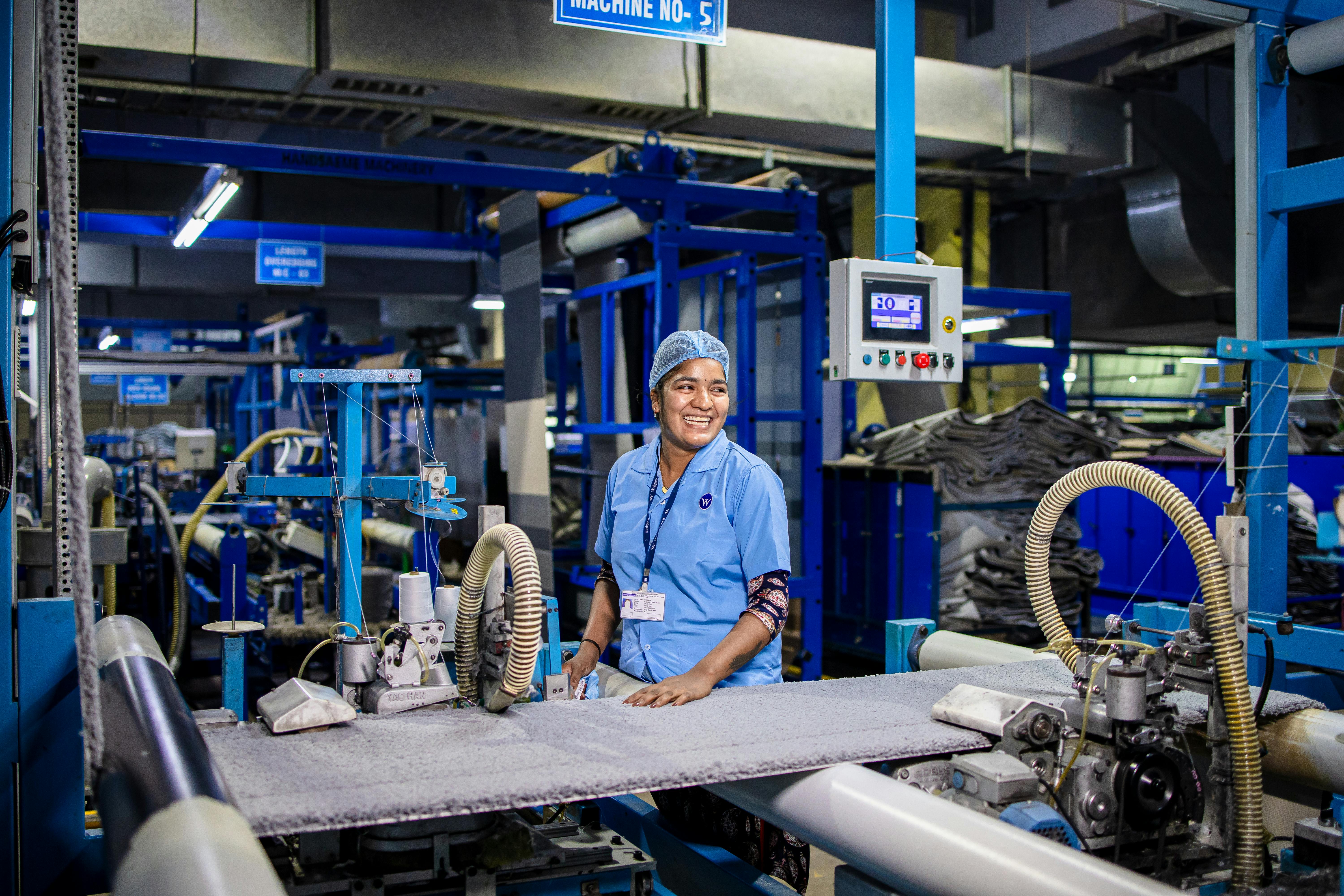
Manufacturing facilities expose workers to risks such as moving machinery, sharp tools, high temperatures, noise, chemical splashes, dust, and fumes. Workers may also face repetitive motion injuries, electrical hazards, and slip risks due to oil or wet floors. Identifying these hazards allows employers to select PPE that offers effective protection tailored to specific production processes.
Essential PPE for Manufacturing Operations
To manage these risks, the following PPE is commonly required across manufacturing facilities in Kenya:
- Protective Clothing: Industrial coveralls and aprons protect workers from dirt, sparks, heat, and chemical exposure. Flame-resistant or chemical-resistant clothing may be required depending on the manufacturing process.
- Hand Protection: Gloves are essential in manufacturing. Cut-resistant gloves protect against sharp materials, while heat-resistant gloves are used in welding, foundry work, and handling hot surfaces. Chemical-resistant gloves are necessary in factories dealing with solvents and chemicals.
- Foot Protection: Safety boots with steel or composite toe caps protect against heavy objects and machinery-related injuries. Slip-resistant and oil-resistant soles reduce the risk of falls on factory floors.
- Eye and Face Protection: Safety goggles and face shields protect workers from flying particles, sparks, chemical splashes, and molten materials. These are critical during welding, grinding, and chemical handling.
- Respiratory Protection: Masks and respirators protect workers from inhaling dust, fumes, and hazardous vapours. Proper respiratory protection is especially important in enclosed spaces and chemical processing areas.
- Hearing Protection: Earplugs or earmuffs are essential in high-noise environments to prevent long-term hearing damage caused by prolonged exposure to loud machinery.
Choosing the Right PPE for Your Manufacturing Facility
Selecting the right PPE starts with a thorough risk assessment of each production area. PPE should meet recognized safety standards and be suitable for the specific tasks performed by workers. Comfort, correct sizing, and ease of use are critical to ensuring consistent PPE compliance.
Manufacturing PPE must also be durable and designed for extended use in demanding environments. High-quality equipment reduces downtime caused by frequent replacements and enhances overall workplace safety.
PPE, Compliance, and Operational Efficiency
Providing appropriate PPE helps manufacturers comply with occupational safety and health regulations in Kenya while promoting a strong safety culture. Safe working environments reduce injury-related downtime, lower medical and compensation costs, and improve employee morale.
Partner with a Reliable PPE Supplier
At Zocom Limited, we supply certified, industry-specific PPE designed to meet the diverse needs of manufacturing operations in Kenya. Our solutions help manufacturers protect their workforce, maintain compliance, and operate safely and efficiently.
Choosing the right PPE is not just a legal requirement; it is a strategic investment in productivity, quality, and long-term business success.
Visit our website www.zocomlimited.co.ke to explore our full range of certified manufacturing PPE solutions and speak with our safety experts about protecting your workforce.