Table of Contents
Understanding Agricultural Hazards in Kenya
Agricultural workers face a wide range of hazards depending on the nature of their work. These include pesticide and chemical exposure during spraying, cuts and abrasions from farm tools, dust inhalation during harvesting or grain handling, prolonged sun exposure, and slips in wet or muddy environments. Understanding these risks is the first step in selecting appropriate PPE that offers effective protection without compromising comfort or mobility.
Essential PPE for Agricultural Workers
Different tasks require different types of protective equipment. Below are the key PPE categories every agricultural operation in Kenya should consider:
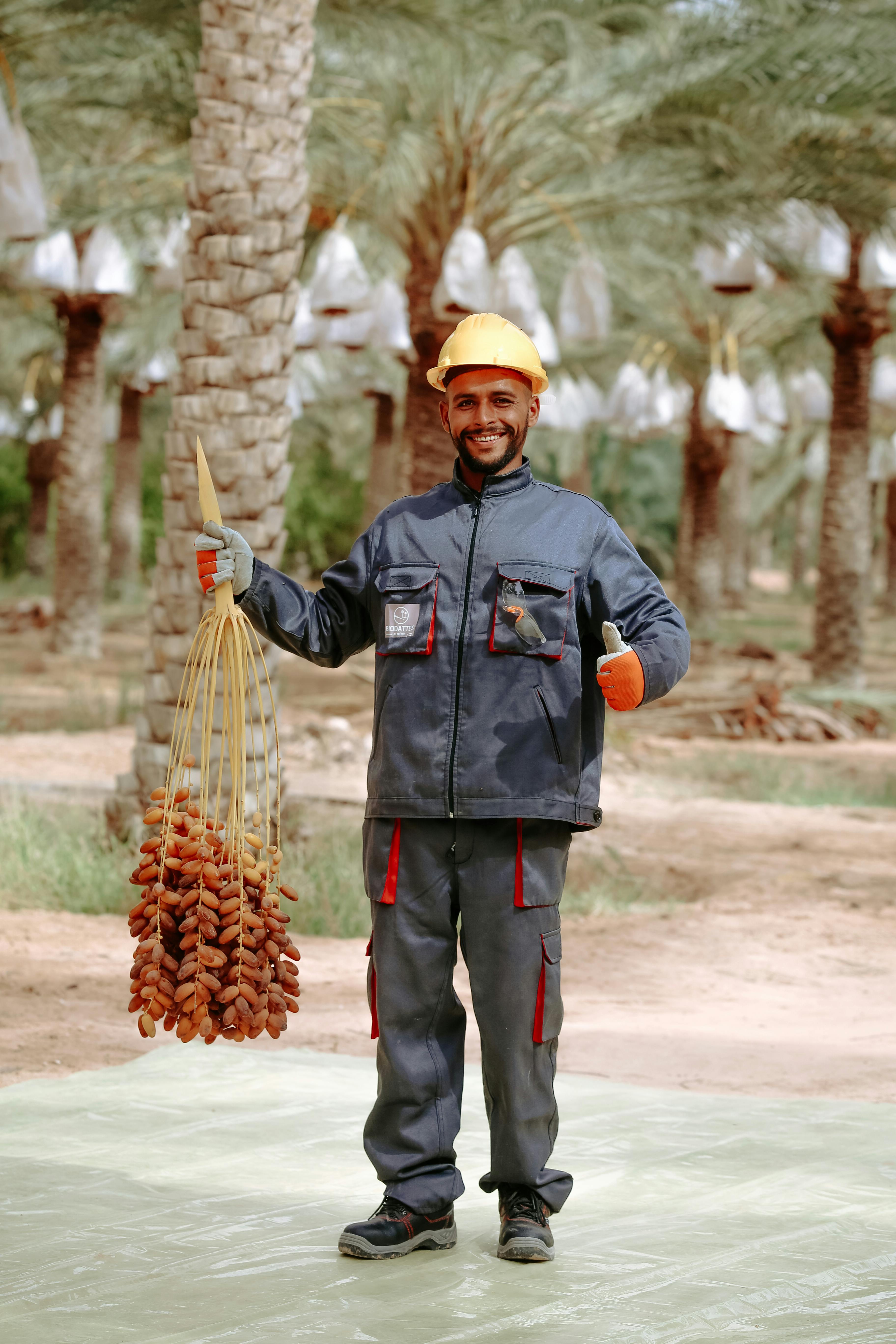
- Protective Clothing: Overalls, coveralls, and aprons protect workers from dirt, chemicals, and biological contaminants. Chemical-resistant clothing is especially important for pesticide application and fertilizer handling.
- Hand Protection: Gloves are critical in agriculture. Nitrile or rubber gloves provide chemical resistance, while heavy-duty gloves protect against cuts, thorns, and rough surfaces during planting and harvesting.
- Foot Protection: Safety boots or gumboots with slip-resistant soles are essential for wet fields, muddy conditions, and uneven terrain. Steel or composite toe boots offer added protection when handling heavy equipment or produce.
- Respiratory Protection: Dust masks or respirators help protect workers from inhaling harmful dust, pesticides, and fumes. This is particularly important during spraying, grain storage, and agro-processing activities.
- Eye and Face Protection: Safety goggles or face shields protect against chemical splashes, dust, and flying debris, reducing the risk of eye injuries.
- Head and Sun Protection: Wide-brim hats or helmets help protect against falling objects and prolonged sun exposure, which is common in outdoor agricultural work.
Choosing the Right PPE for Your Farm or Agribusiness
When selecting PPE, it is important to consider the specific tasks being performed, the level of exposure, and the working environment. PPE should meet recognized safety standards, fit properly, and be comfortable enough for extended use. Poorly fitting or low-quality equipment often leads to non-compliance and increased risk of injury.
Durability is also key. Agricultural PPE must withstand harsh conditions such as moisture, chemicals, and frequent use. Investing in quality equipment reduces replacement costs and improves long-term safety outcomes.
The Role of PPE in Compliance and Productivity
Proper PPE not only protects workers but also helps employers meet occupational safety and health requirements in Kenya. More importantly, safe workers are more confident, efficient, and productive. Reduced injuries mean fewer work disruptions and lower medical costs, contributing to a more sustainable agricultural operation.
Partner with a Trusted PPE Supplier
At Zocom Limited, we understand the unique safety challenges faced by the agricultural sector in Kenya. As a trusted PPE manufacturer and supplier, we provide certified, durable, and industry-specific protective equipment designed to keep agricultural workers safe and productive.
Choosing the right PPE is not just a safety requirement, it is an investment in your people and the future of your agribusiness.